
Off-Plan Properties in Kenya: The Risks Nobody Is Talking About
Off-plan buying is sold to Kenyans as the smart way into property — flexible payment plans, below-market entry prices, modern finishes. What the brochure never shows you is the graveyard of stalled projects, changed specifications, and disappeared developers behind those glossy renders. Here is what you actually need to know.
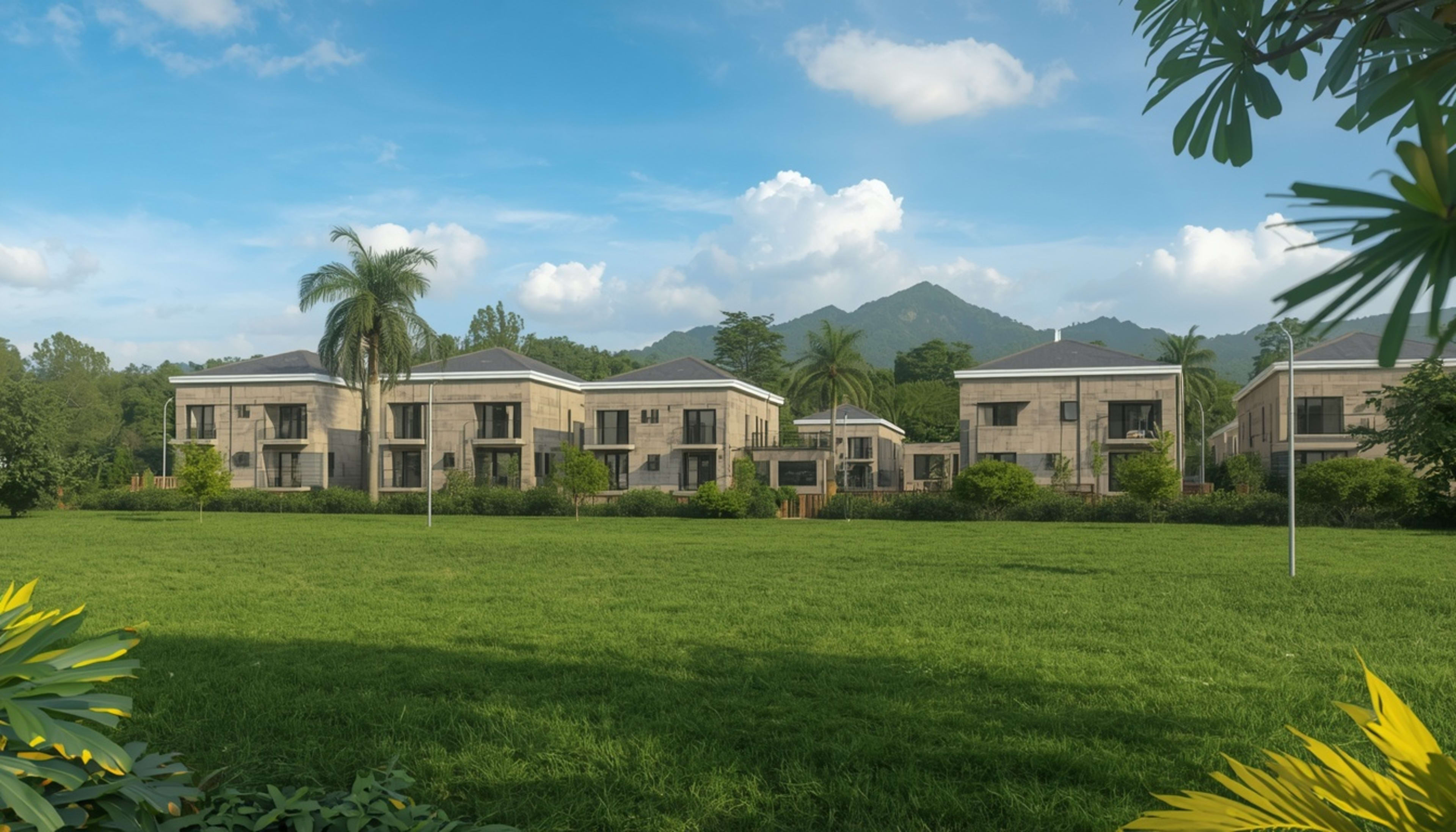
The render looks incredible. A sleek apartment block rising above mature trees, rooftop pool catching the afternoon light, ground-floor retail humming below. The payment plan is even better — 10% deposit, balance spread over 30 months, keys at completion. No bank. No mortgage stress. Just discipline and patience.
This is how off-plan property is sold in Kenya. And for a specific type of buyer working with a specific type of developer, it genuinely works. But between 2018 and 2024, Kenya's off-plan market has also produced some of the most devastating financial losses individual buyers have suffered outside of outright fraud — projects that stalled mid-slab, developers who vanished, units delivered three years late with specifications quietly downgraded, and buyers who discovered that the title they were promised would take another five years to process after occupation.
None of this appears in the brochure. Here is what does not get said at the sales presentation.
In this list
- 1The developer is using your deposit to fund construction — not the other way around
- 2Stalled projects are far more common than the industry admits
- 3The specifications you fell in love with are not legally guaranteed
- 4The title will not be ready when they tell you it will be ready
- 5There is no escrow — your money is not protected
- 6Completion timelines are promises, not contracts — unless you make them contracts
- 7The show unit is not the unit you are buying
The developer is using your deposit to fund construction — not the other way around
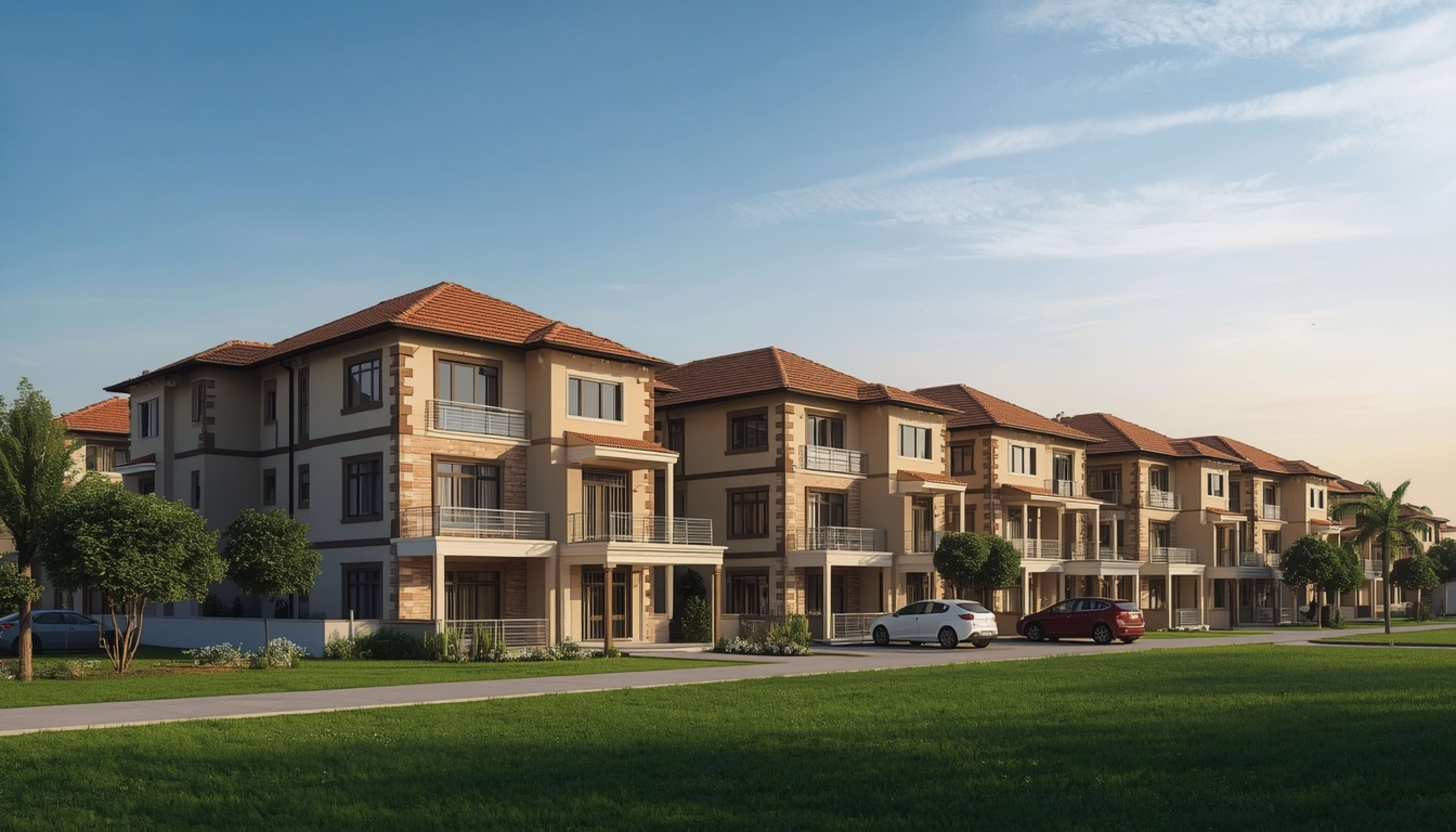
This is the structural reality of off-plan that almost nobody explains clearly at the point of sale. When you pay a deposit on an off-plan unit, that money does not sit in a protected account waiting for your apartment to be built. In most Kenyan off-plan arrangements, your deposit is the construction budget. The developer collects deposits from 20, 40, 80 buyers simultaneously and uses that pool of cash to break ground, pour the slab, and reach the next milestone — at which point they market the remaining units to raise the next tranche of funding.
This model works when sales velocity is high and construction costs stay within projections. When either of those conditions fails — a slowdown in sales, a spike in steel or cement prices, a financing gap — construction stalls. And the buyers who paid earliest, whose money funded the groundwork, are now waiting with no legal mechanism to compel completion and no guarantee of recovery if the developer winds up.
You are not buying a finished product. You are financing its construction. Understand that distinction before you sign anything.
Stalled projects are far more common than the industry admits
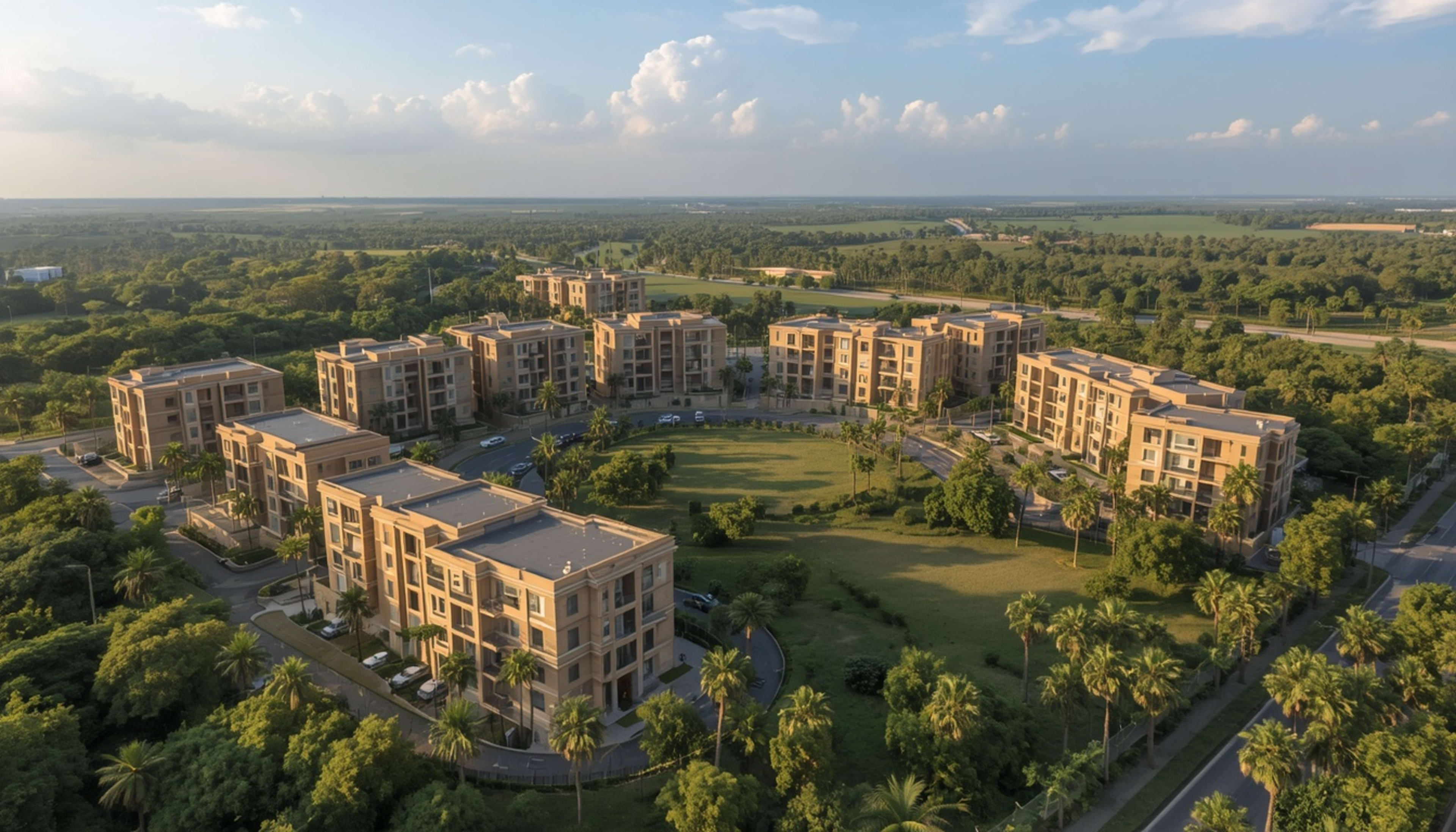
Ask any property lawyer in Nairobi how many stalled off-plan matters they are currently handling and the answer will make you uncomfortable. The projects that make headlines — the ones with organised buyer groups, media coverage, and parliamentary questions — are a fraction of the total. The majority are smaller developments: 12-unit blocks in Ruaka, 30-unit schemes in Athi River, boutique projects in Kilimani where 40 buyers are quietly waiting, too exhausted and too legally exposed to go public.
The pattern is consistent. A developer launches with strong marketing, collects deposits across 60–80% of units, encounters a cost overrun or financing gap around the second or third floor, slows construction to a crawl, begins missing their own milestone updates, stops answering calls, and eventually — months or years later — either resumes at a reduced pace or disappears entirely.
Between 2020 and 2024, construction material costs in Kenya rose significantly — cement, steel, and labour all moved sharply upward. Developers who had locked in sale prices in 2019 or 2020 found themselves building at a loss by 2022. The buyers in those schemes are still waiting.
Before you buy off-plan, ask your agent: how many projects by this developer are currently stalled? Then verify the answer yourself.
The specifications you fell in love with are not legally guaranteed
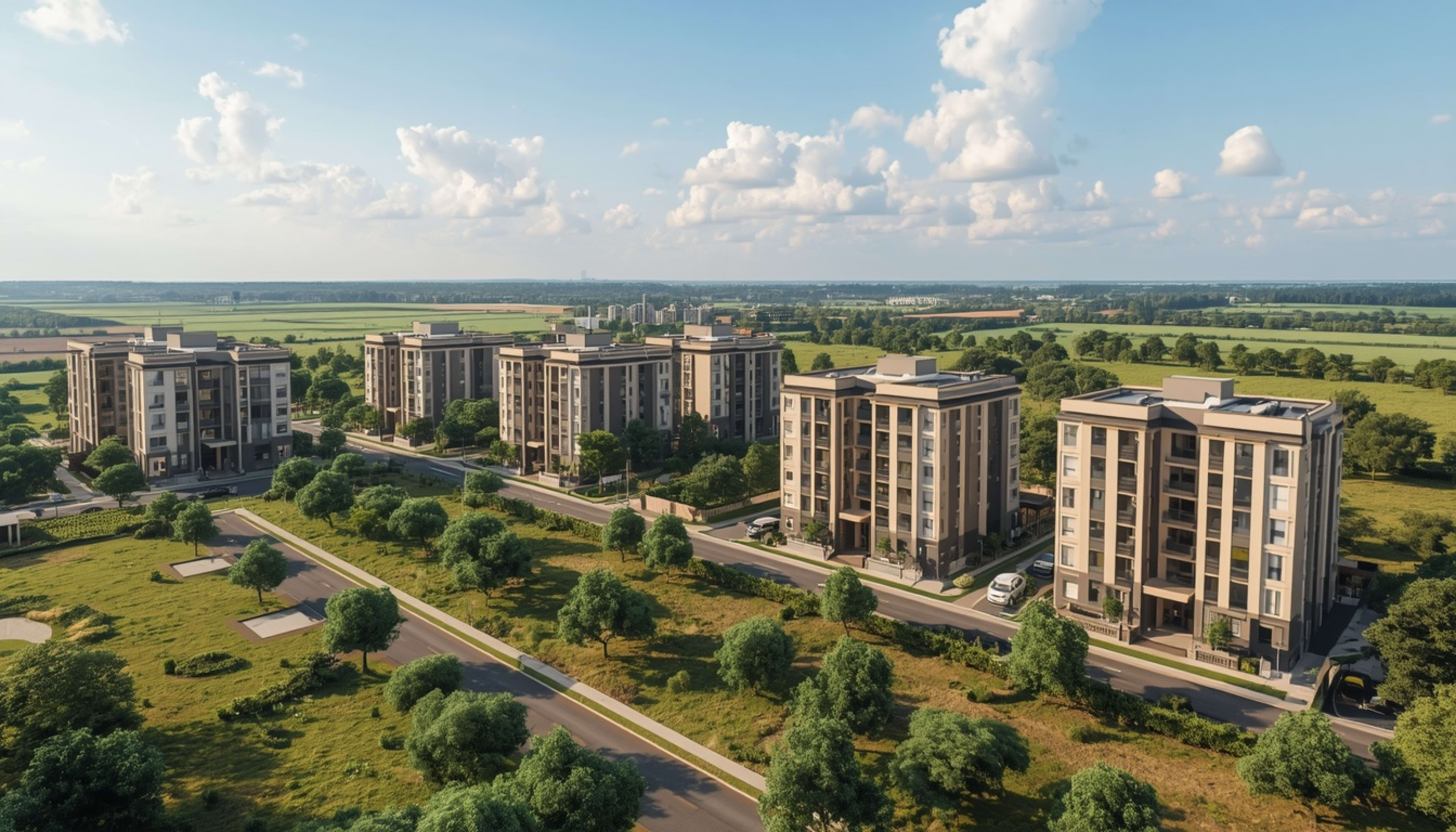
You chose this development because of the finishes. Imported Italian tiles. Full-height wardrobes. A specific kitchen fitout. A rooftop gym. These things were on the brochure, on the show unit, and possibly mentioned by name in the sales conversation. What they may not be — and this is where buyers consistently get hurt — is specified in the sale agreement with enough precision to be legally enforceable.
Sale agreements for off-plan properties in Kenya frequently contain language that gives the developer discretion to substitute materials of "equivalent or similar quality." That clause, buried in clause 14 of a 28-page document your advocate may not have flagged, is how imported tiles become locally sourced alternatives, how the rooftop gym becomes a garden terrace, and how the three-bedroom unit you bought at 142 square metres is delivered at 131.
Buyers who complain are told the substitution was within the developer's discretion under the agreement. They are correct. The developer's discretion was written into the contract the buyer signed.
The fix: Before signing, have your advocate red-line every specification reference in the sale agreement and replace vague language with precise, brand-level specifications. If the developer resists that negotiation, treat the resistance as information about how they intend to build.
The title will not be ready when they tell you it will be ready
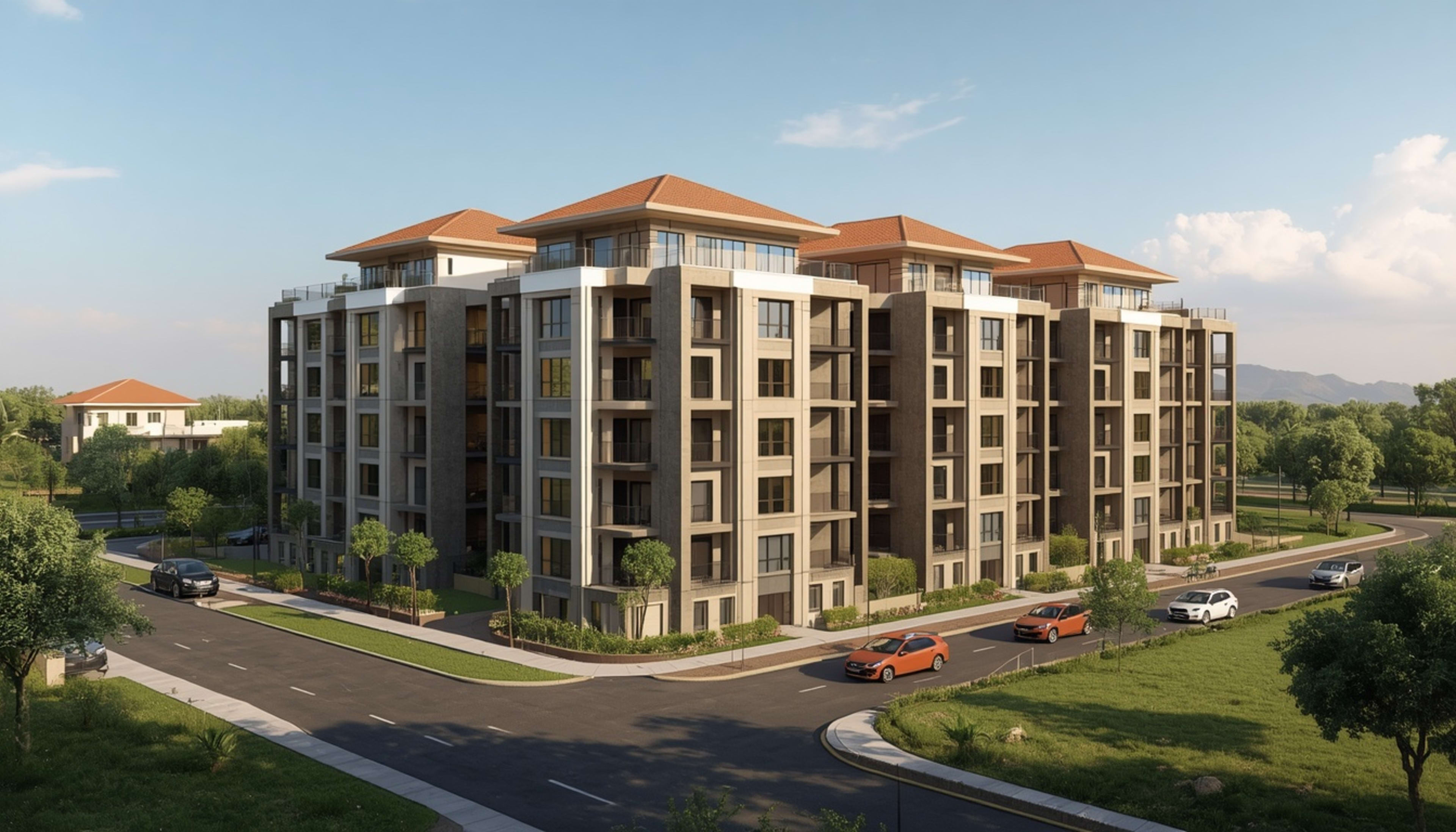
This is perhaps the most universally experienced off-plan disappointment in Kenya, and the one that buyers are least prepared for. Occupation and title are two completely different events — and the gap between them can be years.
A developer can hand you keys, collect your final payment, and have you living in your apartment while the individual unit titles are still being processed. This happens for several reasons: the head title has not been subdivided, the county has not approved the subdivision, the developer has a charge on the head title that must be discharged before subdivision can proceed, or simply — the developer has not prioritised the process because they have already received full payment.
Buyers in this position own an apartment they cannot mortgage, cannot sell with clean title, and cannot fully control legally. Some have waited three years post-occupation for their title. Some are still waiting. During that period, if the developer faces creditors, your unit is technically still part of the head title — meaning it could be exposed to a charge or attachment you had nothing to do with.
The fix: Your sale agreement must include a binding, penalty-carrying deadline for title delivery — not occupation, title. If the agreement has no penalty for late title delivery, the developer has no incentive to prioritise it after you've paid in full.
There is no escrow — your money is not protected
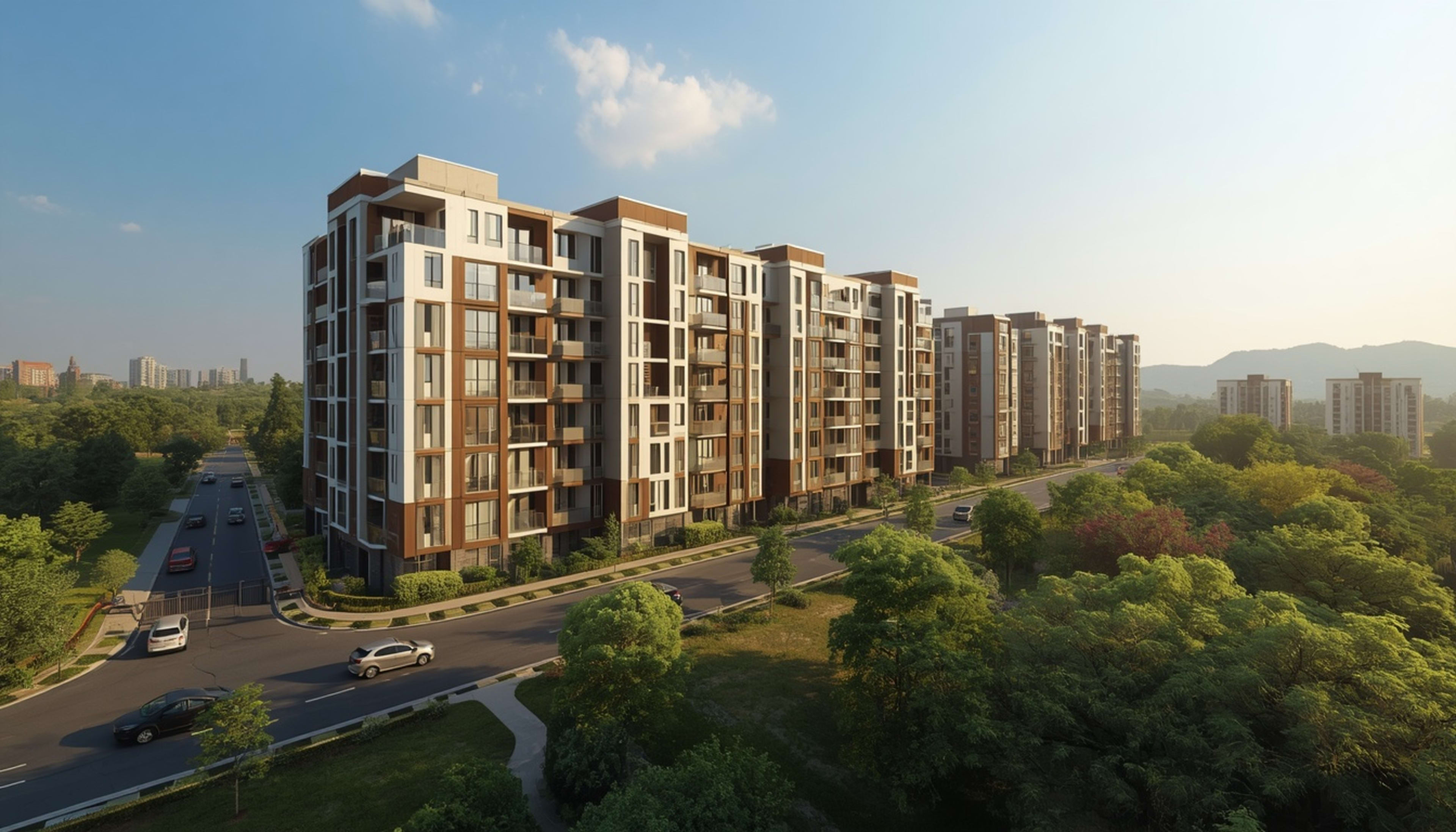
In mature property markets, off-plan deposits are held in escrow by an independent third party — a bank or trustee — and released to the developer only as construction milestones are verified. This protects buyers: if the developer fails to reach a milestone, the funds can be returned.
In Kenya, this is the exception, not the standard. The overwhelming majority of off-plan transactions involve the developer receiving your deposit directly into their operating account. From that moment, it is their money legally — commingled with their business expenses, their salaries, their other project costs. If the developer becomes insolvent, you are an unsecured creditor. You join a queue. You may recover cents on the shilling after years of litigation, or nothing at all.
Some developers now voluntarily offer escrow arrangements, particularly those targeting diaspora buyers or institutional investors who demand it. These developers tend to be the better ones — because the willingness to use escrow is itself a signal of financial confidence.
Ask every developer, before signing: "Are my deposits held in an escrow account, and can you show me the escrow agreement?" A developer who cannot answer that question clearly is a developer whose financial structure you cannot trust.
Completion timelines are promises, not contracts — unless you make them contracts
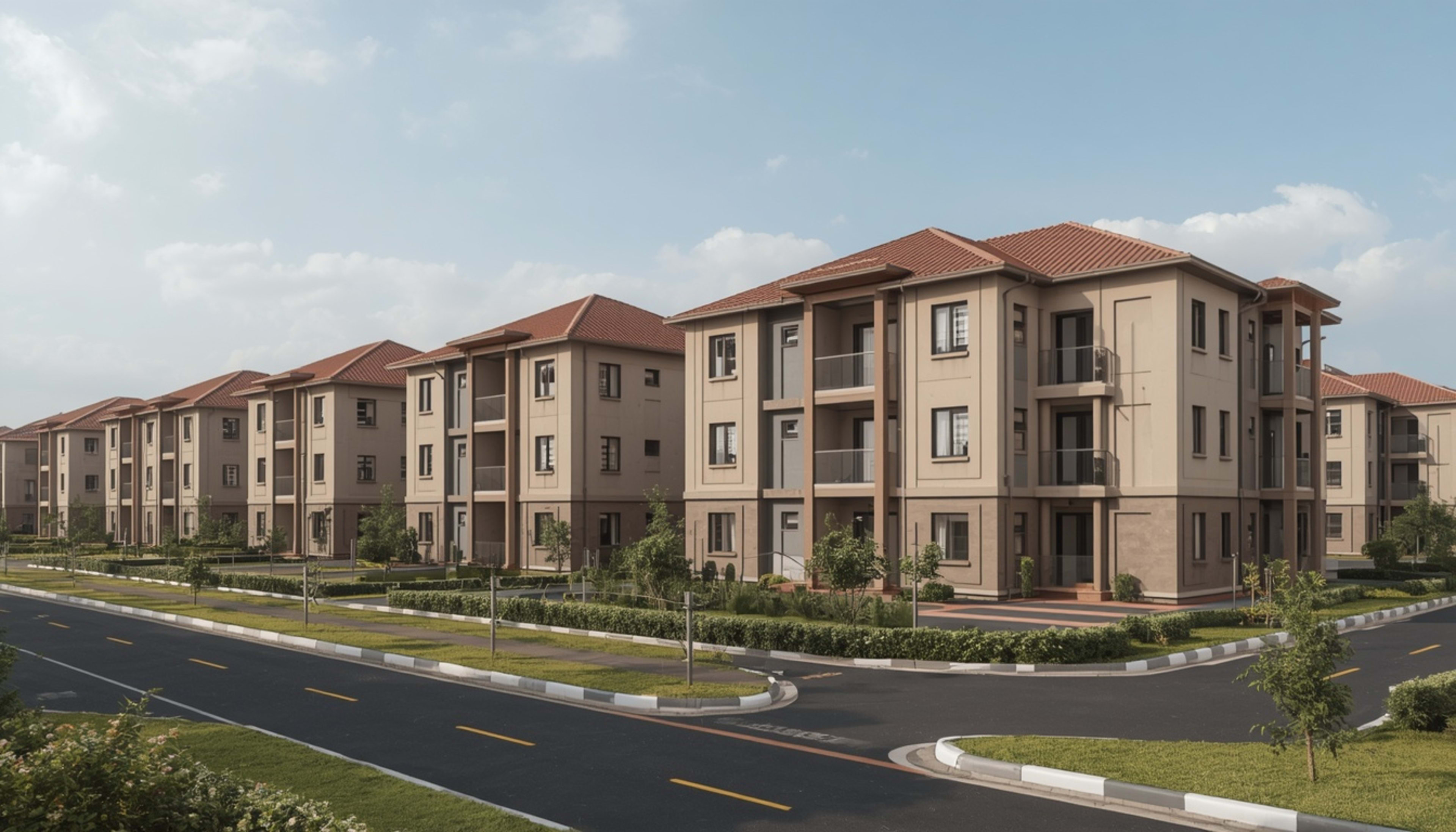
The sales brochure says Q4 2025. The sales agent says Q4 2025. The project timeline on the wall of the show unit says Q4 2025. None of this is binding unless your sale agreement says Q4 2025 — with a specific penalty clause for every month of delay beyond that date.
Without a penalty clause, a developer who misses their completion date by 18 months has breached your expectations but not necessarily your contract. The legal remedy available to you — termination and recovery of funds — is expensive to pursue, uncertain in outcome, and exactly what the developer is counting on you being too tired or too financially stretched to follow through on.
Penalty clauses for delay are standard in commercial construction contracts in Kenya. They are not standard in off-plan sale agreements — because developers write those agreements, not buyers. Your advocate's job is to negotiate them in. A reasonable clause: the developer pays a daily or monthly penalty for every period of delay beyond the agreed completion date, deductible from the final payment tranche.
Developers who refuse this clause are telling you something important about how confident they are in their own timeline. A builder who believes in their schedule has nothing to fear from a penalty for missing it.
The show unit is not the unit you are buying
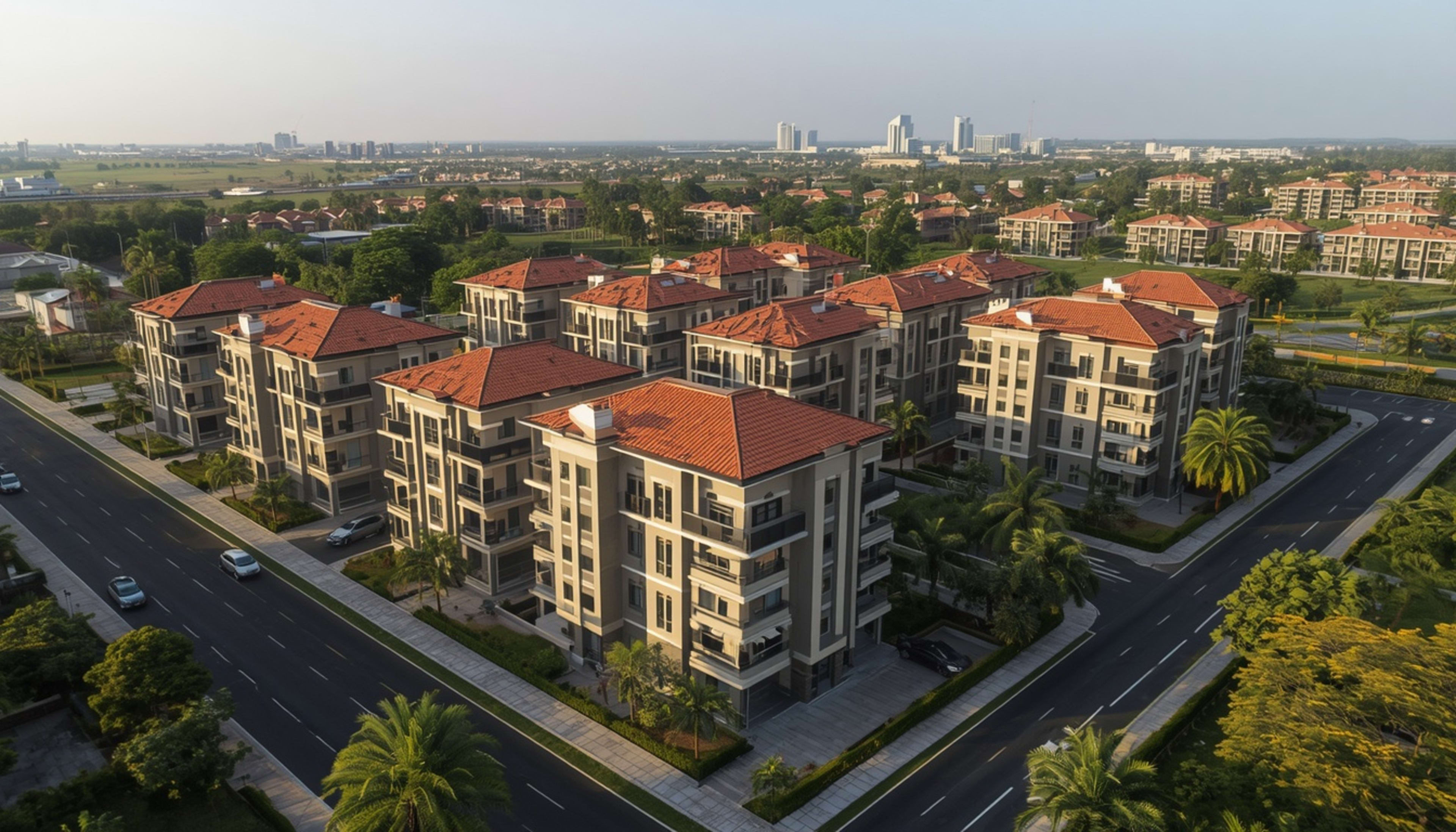
This sounds obvious. It is not obvious when you are standing in a beautifully staged, professionally lit show unit on a Saturday morning, mentally placing your furniture, and a sales agent is describing the view from the upper floors of the completed building.
Show units in Kenyan off-plan developments are almost always fitted to a higher specification than the standard units being sold. Premium fittings, upgraded kitchen appliances, additional storage solutions, better lighting — all of this is present in the show unit and absent in the base specification you are actually buying unless you have paid for an upgrade package that is explicitly documented.
Additionally — and this matters more than most buyers realise — the unit you are allocated may be on a different floor, facing a different direction, with a different ceiling height or window configuration than the show unit you viewed. These details affect liveability significantly. Natural light, noise, ventilation, and the eventual resale value of your specific unit are all affected by floor and orientation.
Before signing: Request the floor plan and specification sheet for your specific unit number — not the show unit, not the "typical unit," your unit. Have your advocate attach it as a schedule to the sale agreement. If the developer cannot provide a specification sheet for your specific unit before signing, you do not yet have enough information to commit.
So should you buy off-plan at all?
Yes — with the right developer, the right agreement, and the right advocate. Off-plan remains one of the most accessible entry points into Kenyan property ownership, and the payment plan structure genuinely works for buyers who cannot qualify for or do not want a traditional mortgage. The problem is not the model. The problem is that buyers enter it without understanding what they are actually agreeing to.
The developers worth buying from have completed projects you can visit. They can name their escrow bank. Their advocates will negotiate specification schedules into the sale agreement without resistance. They will accept a penalty clause for late completion because they intend to complete on time. They answer questions about their financing structure directly.
Find those developers. Insist on those terms. Walk away from everyone else — no matter how good the render looks.
The render is always good. That is what renders are for.
Search verified property listings on Qimani — including ready and off-plan developments →