
The 7 Red Flags That Mean a Kenyan Property Listing Is Fake
Fake listings don't look fake. They look like great deals — slightly below market, professional photos, fast-responding agents.
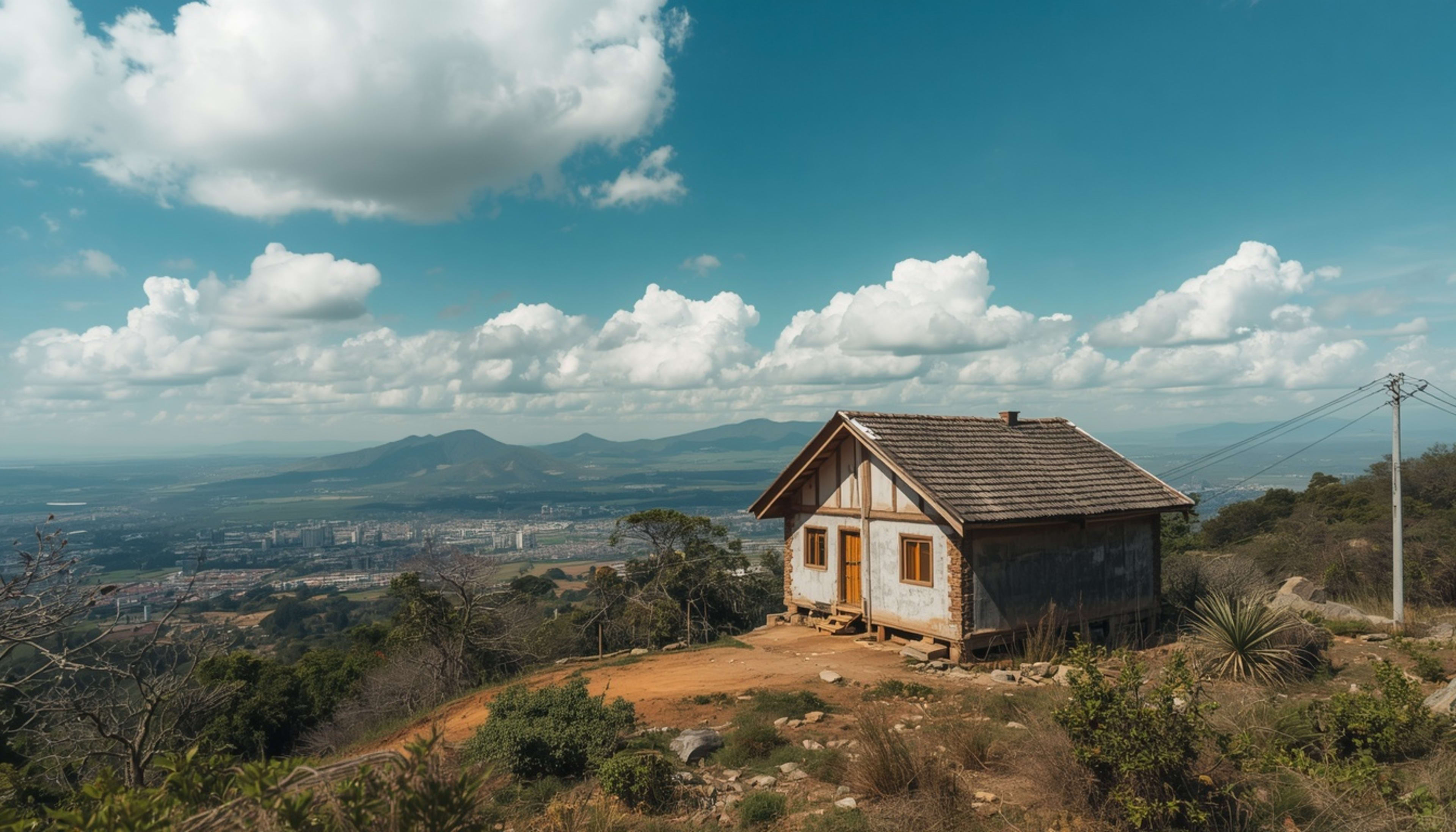
The most dangerous fake listing is not the obvious one. It is not the one with blurry photos and a price that is 70% below market. It is the one that looks almost exactly right — professional, detailed, responsive — with one or two subtle irregularities that a busy buyer will talk themselves out of noticing.
Property fraud in Kenya has matured. The people running it have studied what legitimate listings look like. They use real estate language correctly. They know which areas command which prices. They understand that a price too good to be true triggers suspicion, so they keep it just believable enough. What they cannot do is eliminate every trace of the deception — and those traces follow patterns.
Here are the seven that matter most.
In this list
The price is compelling but not impossible

Amateur fraud lists a KES 15M Westlands apartment for KES 4M. Nobody falls for that. Professional fraud lists it for KES 11.5M — believably below market, enough to feel like a genuine motivated-seller discount. Ask yourself not "is this suspicious?" but "why is this below every comparable listing right now?" A legitimate seller can document their reason. A fraudster cannot. If the price makes you feel lucky, treat that feeling as a warning — not a reward.
The seller cannot meet you at the actual property

There is always a reason. The caretaker is unavailable. The tenant needs notice. The seller is upcountry until Friday. In legitimate transactions, a seller can arrange access within a reasonable timeframe. Persistent inability to let you inspect independently — at a time you choose — means the listing does not correspond to a property they control. And when you do get access: never pay anything before you inspect. Not a viewing fee, not a reservation deposit, not a "seriousness fee." Inspection first. Payment only after everything checks out.
The photos are stolen from another listing
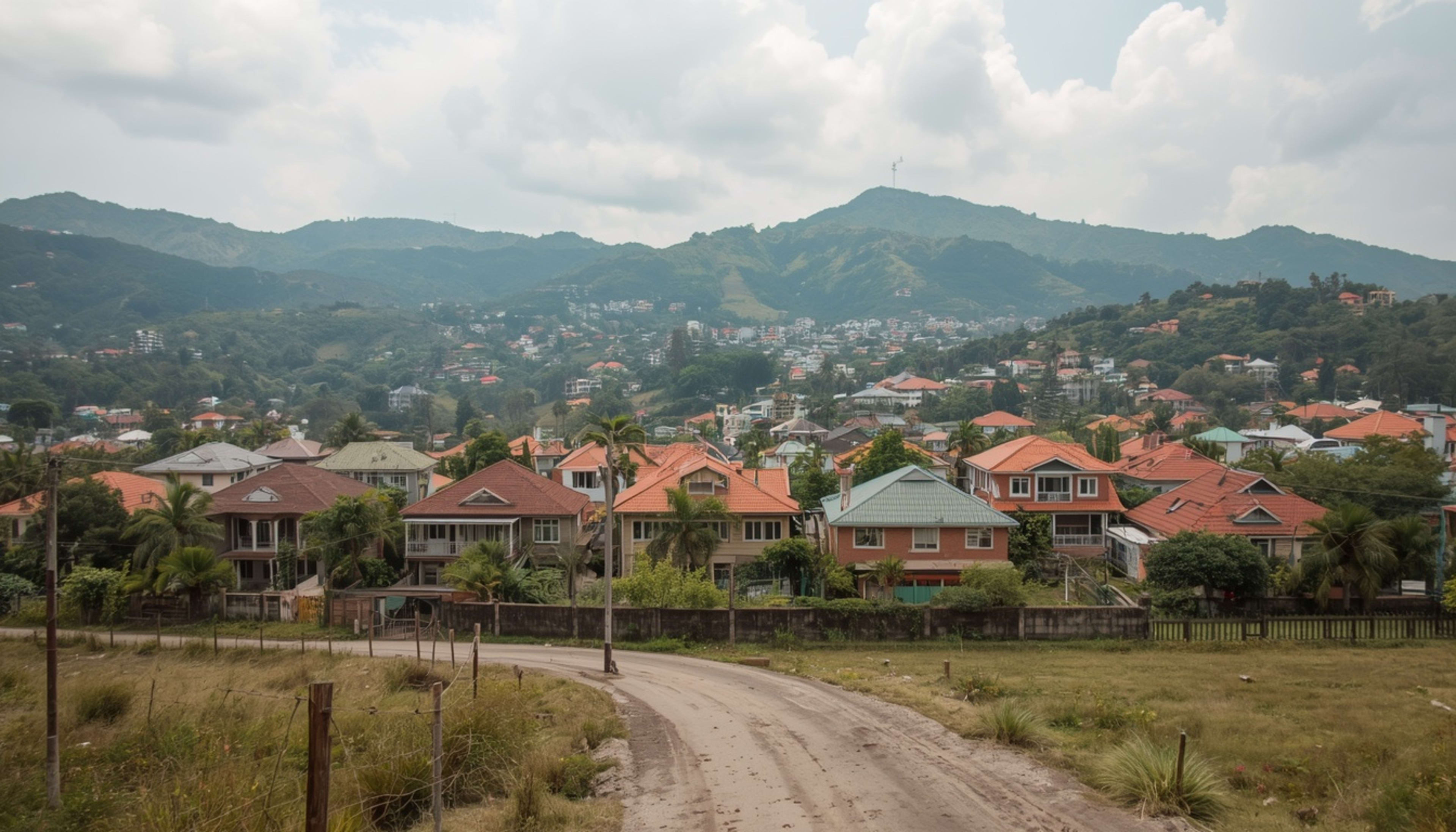
Right-click any listing photo and run a reverse image search on Google Images. Fraudulent listings routinely use photos from legitimate listings — sometimes Kenyan, sometimes South African, sometimes from property sites in the UK or UAE. Even without a reverse search, look for: light switches that don't match Kenyan standard, vegetation that looks nothing like East African landscaping, European-style plug sockets, watermarks from other platforms visible in a corner, or too-perfect staging that doesn't match the price point described. If the photos look like they belong in a different country — they probably do.
The seller pushes urgency harder than information
"Another buyer is viewing tomorrow." "The seller travels Friday and needs this concluded." "I have two other serious enquiries." Urgency is the primary psychological weapon in property fraud — designed to compress your verification timeline so you move before you've checked what needs checking. Test it deliberately. Tell the agent you need five working days for due diligence. A real seller negotiates the timeline. A fraudster escalates the pressure. The right property will still exist after your due diligence is complete. If it won't wait, it isn't right.
Payment is requested before verification is complete
This applies to deposits, reservation fees, "good faith" payments, and commitment fees equally. The correct sequence in every legitimate Kenyan property transaction is: (1) inspect the actual property in person, (2) confirm what you inspected matches the title documents, (3) have your independent advocate verify the title is clean and the seller is the legitimate registered owner, (4) pay — and only then. Any request for money before this sequence is complete is a request to fund a fraud. "Just KES 50,000 to take it off the market while we do due diligence" is how KES 3.2 million losses begin. Make sure what you inspected is exactly what you are buying. Pay only when you are fully satisfied. Not before.
The title deed cannot be verified through official channels
Every legitimate Kenyan property has a verifiable title. Search it yourself at the Lands Registry in person, or on ardhisasa.lands.go.ke for Nairobi titles. Takes ten minutes. Costs KES 500. Watch for: the seller refusing to provide the full title number, the registered owner's name not exactly matching their ID, cautions or charges they never mentioned, or — the biggest one — a search result the seller hands you rather than one you obtain yourself. The result a seller hands you proves nothing except that they can use a printer. Always conduct the search with your own hands.